

BUILD LOYALTY THAT CHANGES CUSTOMER BEHAVIOR
Loyalty &
Customer Retention
Loyalty is more than points, tiers, or rewards.
We help businesses design programs and retention strategies that give customers meaningful reasons to stay active, return more often, and grow in value over time.

A Loyalty Program Is Not
the Same as Customer Loyalty
CHALLENGES
Many businesses already have membership programs, points, rewards, and promotions.
The harder question is whether those mechanics are actually changing customer behavior
and strengthening the relationship over time.
Rewards Without Behavior Change
Customers earn points and benefits, but purchase frequency, engagement, or customer value barely moves.
One Program for Every Customer
The same mechanics and benefits are applied to customers with very different value, behavior, and motivations.
Retention Starts Too Late
Teams only react after customers have already reduced their activity or stopped purchasing.
Loyalty Starts With
a Better Value Exchange
FRAMEWORK

Customers stay when the relationship continues to feel worthwhile.
Effective loyalty connects what customers value with the behaviors the business wants to encourage.
Value
Give customers benefits, recognition, or experiences that genuinely matter to them.
Economics
Make sure the value given to customers also creates sustainable value for the business.
Behavior
Define the actions the program is designed to encourage — such as repeat purchase, frequency, progression, or continued engagement.
Experience
Make participation, progression, and reward redemption easy to understand and use.
How We Work
We start with the customer relationship and the behavior the business wants to change
— then design the loyalty or retention mechanics around it.
-
Review customer behavior, program participation, value, retention patterns, and existing loyalty mechanics.
-
Clarify which actions matter most — from repeat purchase and frequency to progression, retention, or reactivation.
-
Define benefits, tiers, rewards, mechanics, or interventions that can encourage those behaviors.
-
Translate the design into campaigns, journeys, rules, audiences, and operating processes.
-
Track whether participation and customer behavior actually change — and refine the program accordingly.
How We
Create Value
CAPABILITIES
We connect customer behavior, loyalty mechanics, retention strategy, and activation to build programs that create more than participation — they create meaningful customer movement.
Loyalty Program Strategy & Design
Design or redesign loyalty programs around customer behavior, business economics, and measurable objectives.
Loyalty Program Assessment & Optimization
Evaluate existing programs to identify gaps in participation, mechanics, behavioral impact, and commercial performance.
Loyalty Campaign & Activation Strategy
Develop targeted initiatives designed to encourage specific behaviors such as repeat purchase, tier progression, benefit usage, or reactivation.
Retention & Churn Management
Identify customers at risk of disengaging and define strategies to retain, intervene, or reactivate them.
OUTCOMES
Loyalty that Creates
Long-Term Value
A successful loyalty or retention strategy should change customer behavior
— not just increase membership or reward redemption. We foc
Higher Repeat Purchase
Encourage customers to return and purchase more consistently.

Higher Customer Value
Increase frequency, spend, or lifecycle value over time.
Earlier Churn Intervention
Build audiences around actual customer behavior, value, and potential.

Stronger Retention
Keep valuable customers active for longer.


More Active Members
Increase meaningful participation — not just enrollment.
More Effective Loyalty Investment
Focus rewards and benefits where they are more likely to influence behavior.
Proof in the Work
WORK
Loyalty challenges look different across businesses.
These examples show how customer behavior, program mechanics, and commercial goals can be connected to create more effective loyalty and retention actions.
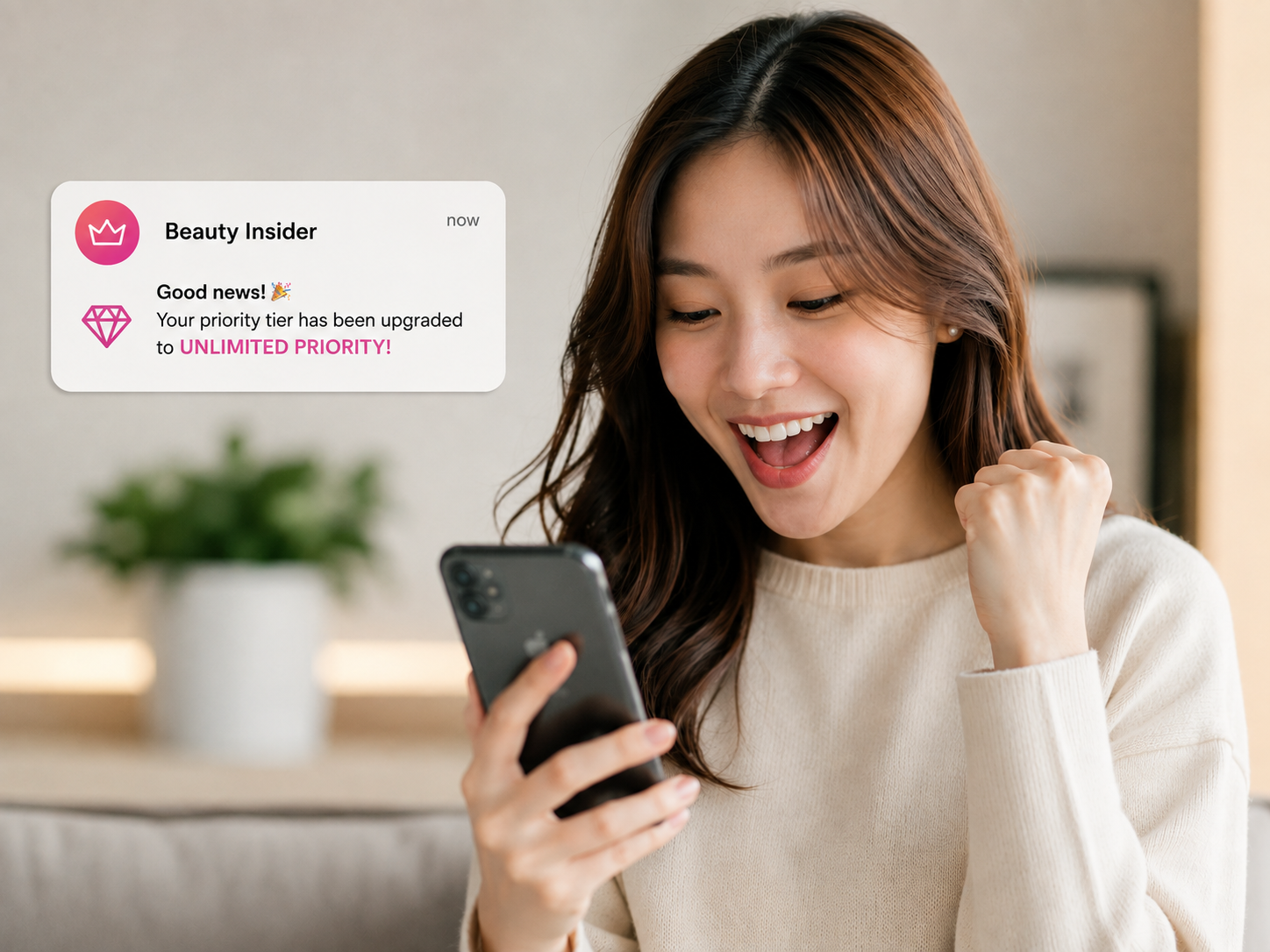
Accelerating Customers Toward the Next Tier
Challenge: Customers were progressing through the loyalty program at different rates, but the business lacked a clear way to identify who was close to the next threshold.
What we analyzed: Spend accumulation, customer value, tier distance, and historical purchase behavior.
What it enabled: More targeted tier-acceleration initiatives focused on customers with realistic potential to progress.

Designing Win-Back Around Customer Value
Challenge: A single win-back incentive was unlikely to make economic or behavioral sense for every customer.
What we analyzed: Historical spend, customer value, purchase behavior, and likely incentive sensitivity.
What it enabled: Different win-back approaches based on customer value and the economics of reactivation.
Customer Behavior Analysis
〰️
Customer Growth
〰️
Customer Retention & Churn
〰️
Basket Uplift & Cross-Sell
〰️
Customer Reactivation
〰️
Campaign Optimization
Customer Behavior Analysis 〰️ Customer Growth 〰️ Customer Retention & Churn 〰️ Basket Uplift & Cross-Sell 〰️ Customer Reactivation 〰️ Campaign Optimization

Tell us where your loyalty program or retention strategy is falling short.
We’ll help identify what needs to change — and which customer behaviors matter most.